New Standards Set for Galvanized Coil Production
Time : 10/11/2023
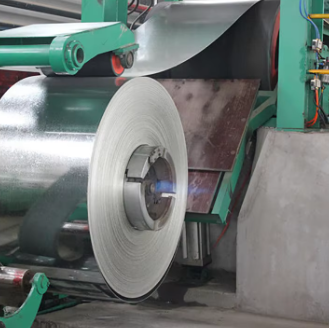
New Standards Set for Galvanized Coil Production
In a significant development for the steel industry, new and more stringent standards have been established for the production of galvanized coils. These standards are designed to enhance the quality, durability, and performance of galvanized coils, catering to the evolving demands of various sectors that rely on this essential material.
Key Aspects of the New Standards
Coating Thickness and Quality
The new standards place great emphasis on the coating thickness of galvanized coils. Precise regulations have been introduced to ensure that the zinc coating, which is crucial for corrosion resistance, meets specific minimum and maximum requirements. For different applications, such as in construction where long-term exposure to the elements is expected, the coating thickness needs to be sufficient to provide extended protection. For example, in outdoor structures like fences and roofing materials, a thicker zinc coating is mandated to withstand years of weathering.
Advanced testing methods have also been incorporated to assess the quality of the coating. This includes tests for adhesion, ensuring that the zinc coating adheres firmly to the steel substrate. A well - adhered coating not only improves corrosion resistance but also enhances the overall integrity of the galvanized coil during various manufacturing processes, such as cutting, bending, and shaping.
Mechanical Properties
Regarding mechanical properties, the standards now specify more exact parameters for yield strength, tensile strength, and elongation. Different grades of galvanized coils are required to meet distinct mechanical property criteria based on their intended use. For instance, in the automotive industry, where galvanized coils are used in the production of car bodies, high tensile strength and good elongation properties are essential. This allows the material to be formed into complex shapes during the stamping process while maintaining its structural integrity and resistance to impacts.
The standards also address the issue of formability, ensuring that galvanized coils can be easily processed into different products without cracking or losing their protective coating. This is particularly important for industries that rely on deep - drawing or roll - forming processes to manufacture products like metal containers and pipes.
Surface Finish
The surface finish of galvanized coils has also come under scrutiny in the new standards. Depending on the application, different surface finishes are now regulated. For applications where aesthetics play a significant role, such as in the manufacturing of household appliances and decorative metalwork, a smooth and defect - free surface finish is required. This not only enhances the visual appeal of the final product but also contributes to its durability by reducing the likelihood of surface imperfections that could potentially lead to corrosion initiation.
On the other hand, for applications where functionality takes precedence over appearance, such as in industrial equipment and infrastructure, the surface finish requirements may be more focused on ensuring proper adhesion of additional coatings or finishes that may be applied later in the manufacturing process.
Impact on the Industry
The implementation of these new standards is expected to have a far - reaching impact on the galvanized coil industry. Manufacturers will need to invest in upgrading their production processes and quality control systems to meet the more exacting requirements. This may involve the adoption of new technologies, such as advanced galvanizing techniques that can provide more precise control over coating thickness and quality.
In the short term, there may be some challenges as manufacturers adjust to the new standards. However, in the long run, the improved quality of galvanized coils resulting from these standards is likely to boost the competitiveness of the industry globally. Higher - quality products will open up new markets and applications, particularly in sectors that demand the highest levels of performance and reliability.
Moreover, the new standards are expected to drive innovation in the industry. Manufacturers will be motivated to develop new and improved production methods to not only meet the current standards but also anticipate future requirements. This could lead to the development of more sustainable galvanizing processes, as well as the use of new materials or alloy formulations to enhance the performance of galvanized coils.
In conclusion, the introduction of these new production standards for galvanized coils marks a significant step forward in the steel industry. By setting higher quality benchmarks, the standards are set to improve the performance of galvanized coils in a wide range of applications, while also driving innovation and competitiveness within the industry.

Guomai Steel (Tianjin) Co.,Ltd

Thank you very much for writing to us. Please leave your message and contact information, we will reply to you within 24 hours.